
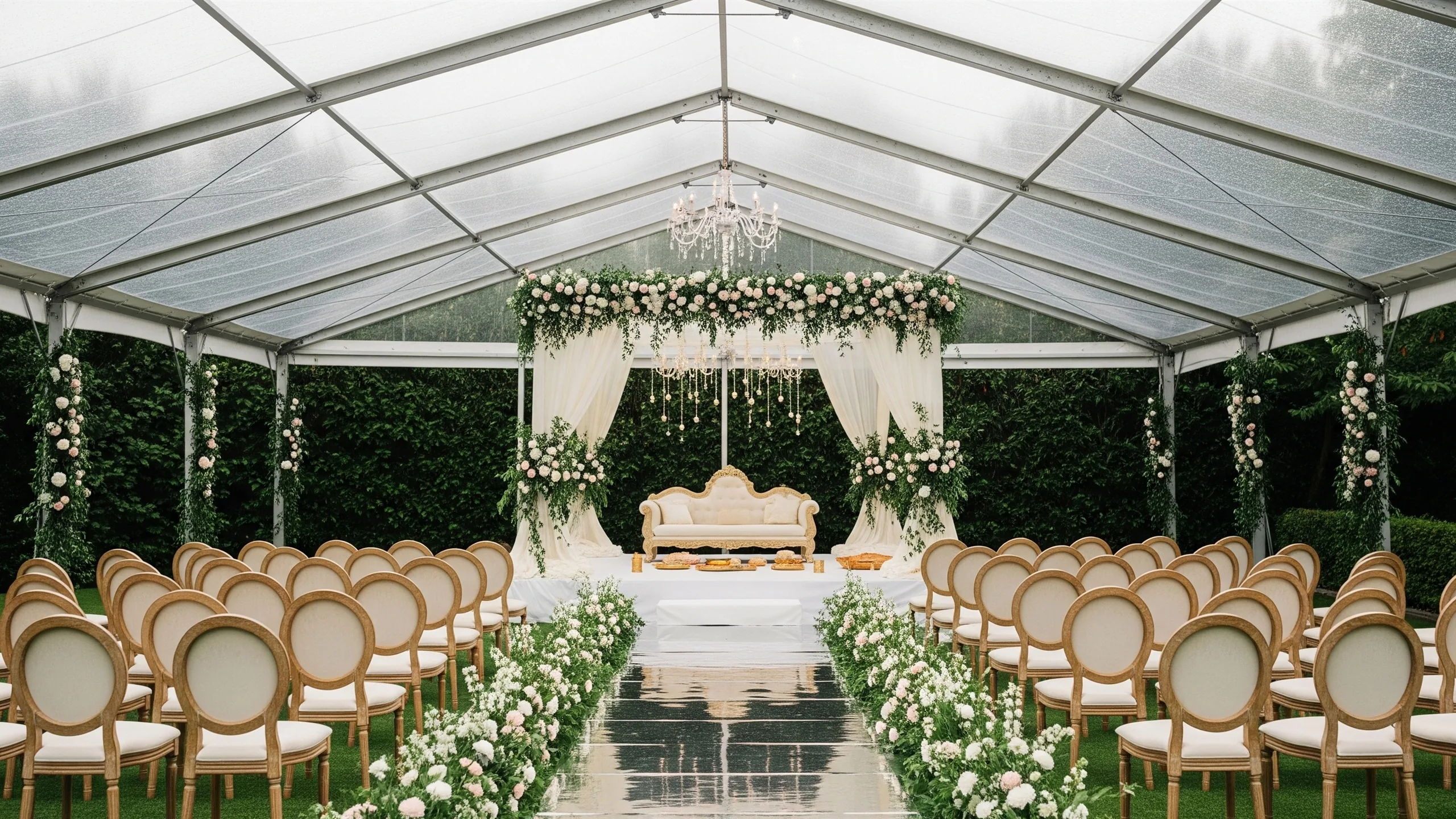
Monsoon and winter weddings can save money and look stunning, but each needs weather planning. For monsoon, always have a covered backup, waterproof the setup, and warn guests about travel. For winter, plan for cold evenings with heaters, warm welcome drinks, and outfits guests can layer. Book off-season for better rates and availability, and keep guests informed of any weather-related changes.
The decisions that matter most
- 01
Off-season dates mean better prices and vendor availability — a real advantage.
- 02
Monsoon: always have a covered backup and waterproof the setup.
- 03
Winter: plan heaters, warm drinks, and layerable comfort.
- 04
Tell guests what to expect — travel, weather, and what to wear.
- 05
Keep a live link to push any weather-driven timing changes instantly.
Use the planning tool, adapt the framework to your family, and verify current prices or policies before committing.
Off-season weather-proofing checklist
Tap each item as you handle it. Covers both monsoon and winter essentials.
Why off-season can be the smart choice
Peak wedding season (roughly November to February for much of India) means premium prices and booked-out vendors. Monsoon and the deep-winter or summer shoulders offer real savings and far more availability — if you plan for the weather.
Off-season isn't second-best. With the right backup plan, a rain-washed garden or a crisp winter evening can be more beautiful than any peak-season date.
Lock the venue and location details with our wedding muhurat dates for 2026-2027 and Alibaug beach wedding cost guide.
The off-season advantage
- Lower prices on venues, vendors, and travel.
- Better availability — your first-choice venue and team are free.
- Lush settings — monsoon greenery is unmatched; winter light is golden.
- More attention from vendors juggling fewer events.
Monsoon wedding planning
Rain is the variable to tame, not fear.
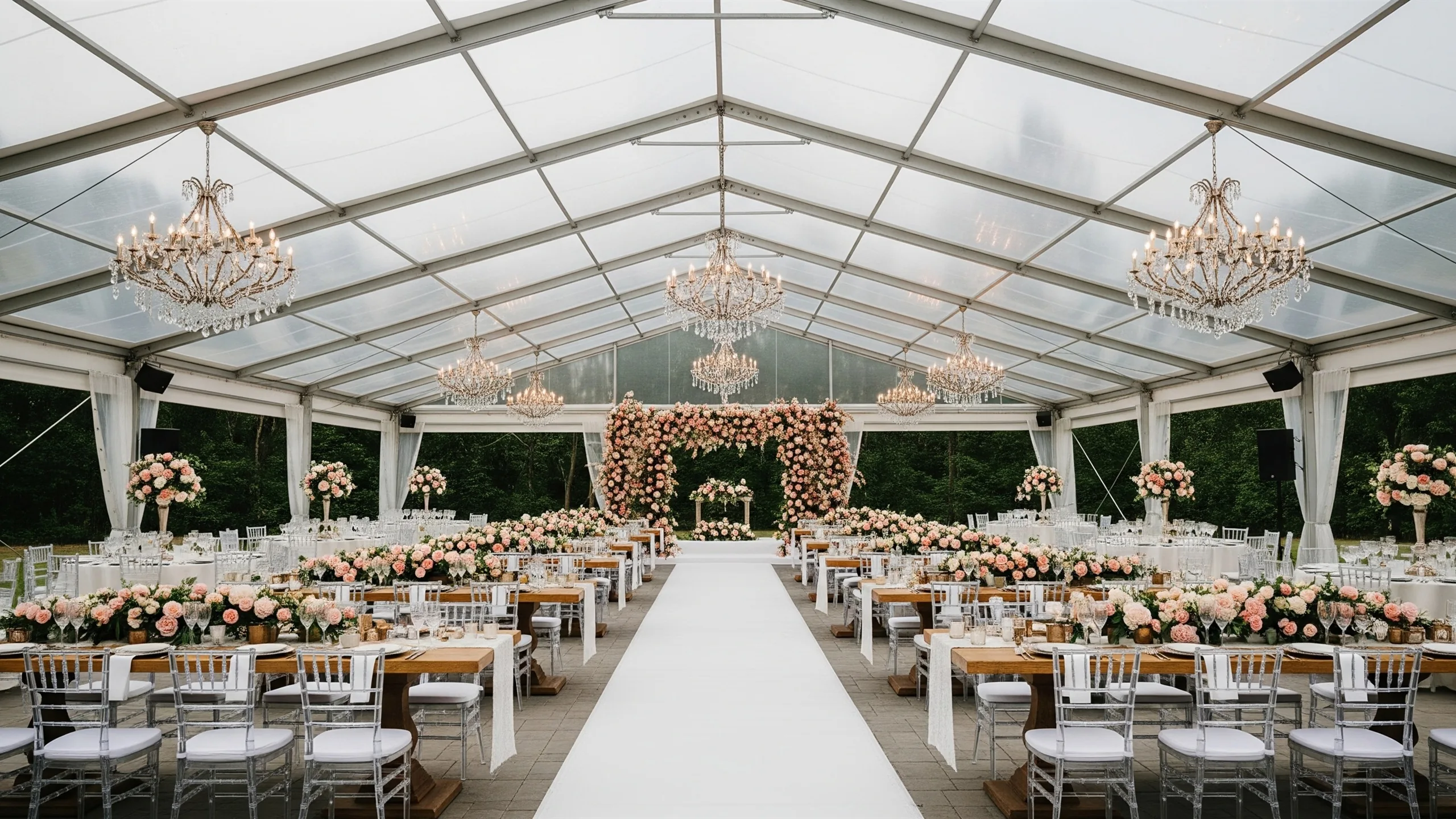
- Always have a covered or indoor backup for every outdoor event.
- Waterproof staging, electricals, sound, and walkways.
- Choose venues with good drainage and sheltered transitions.
- Provide umbrellas and covered drop-offs for guests.
- Pick decor and flowers that survive humidity; avoid delicate setups.
- Warn guests about travel delays and plan buffers.
!For any monsoon event, treat the covered backup as the real plan, not the contingency. Confirm it can host the full guest count comfortably.
Winter wedding planning
Cold evenings are lovely with the right comfort layer.
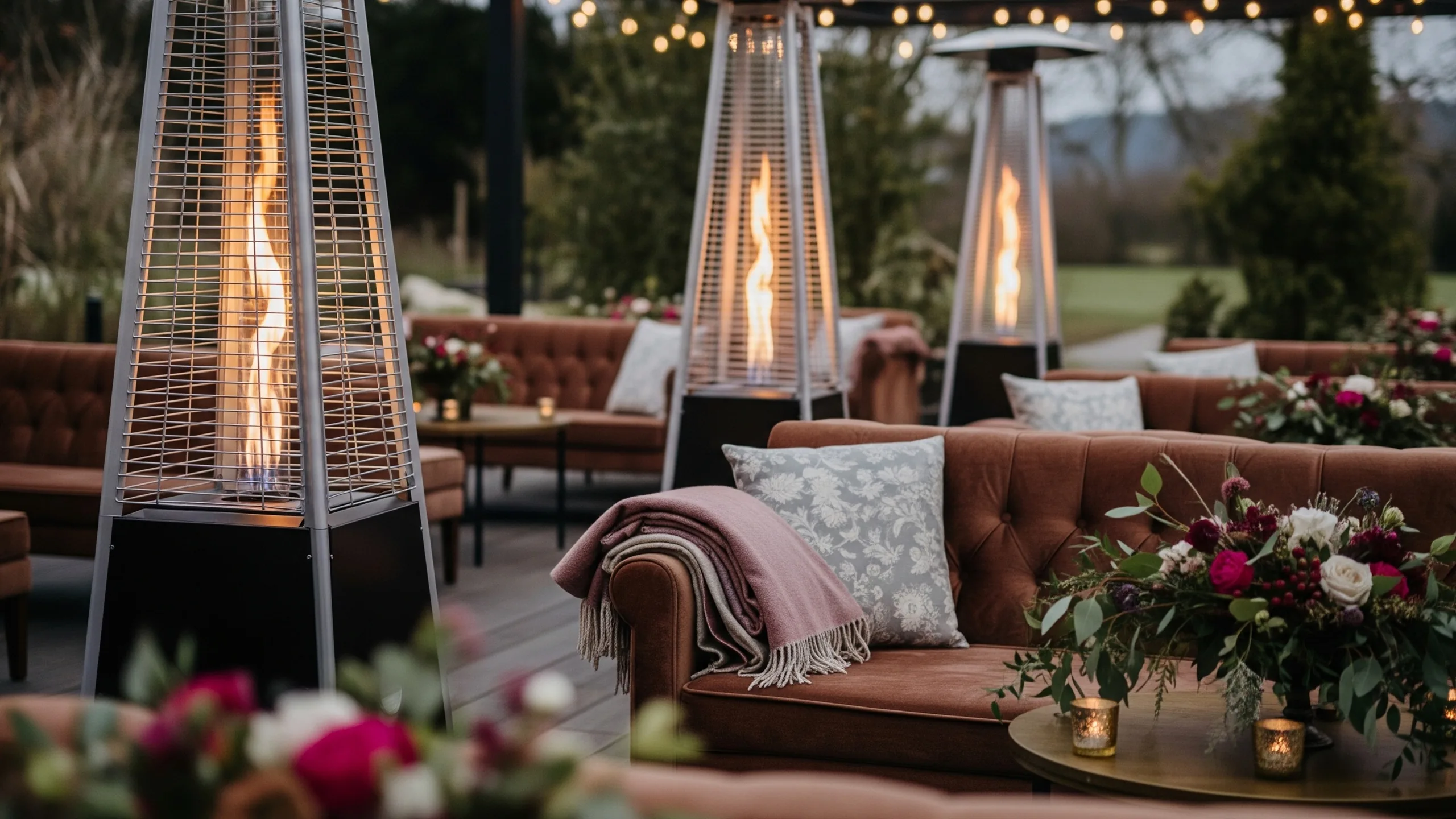
- Arrange patio heaters and warm seating zones.
- Offer warm welcome drinks (hot chocolate, kahwa, soup shots).
- Tell guests to dress in layers; provide shawls or blankets.
- Schedule key outdoor moments for daytime warmth where possible.
- Use warm lighting and rich textures (velvet, candles) in decor.
Outfits and beauty by season
- Monsoon: humidity-proof makeup (airbrush), anti-frizz hair, lighter fabrics.
- Winter: richer fabrics, layered looks, makeup that handles cold and indoor heat.
- Keep footwear practical for wet or uneven ground.
Keep guests informed
Weather can shift timings and venues at short notice — guests need a reliable way to know.
- Share clear expectations in advance (weather, travel, dress).
- Have a single channel to push last-minute changes.
- Provide shelter and comfort items so guests stay happy.
FAQ
Is it a good idea to have a monsoon wedding?
Yes, if you plan for rain. Monsoon weddings offer lower prices, better availability, and lush settings — but you must have a covered backup for every outdoor event and waterproof the setup.
What are the advantages of an off-season wedding?
Lower costs on venues and vendors, much better availability, beautiful seasonal settings, and more attention from vendors handling fewer events.
How do I plan a winter wedding?
Arrange heaters and warm seating, serve warm welcome drinks, ask guests to dress in layers, schedule outdoor moments for daytime warmth, and use warm lighting and rich textures in decor.
What should guests know for a monsoon or winter wedding?
Tell them about likely weather, travel buffers, and what to wear — rain-ready footwear for monsoon, warm layers for winter — and give them a reliable way to receive timing or venue updates.
Are off-season weddings really cheaper?
Generally yes. Venues, vendors, and travel are typically less expensive outside peak season, and you have far more choice — though you invest some of the savings into weather-proofing.
Push weather updates the moment they happen
Off-season weddings sometimes need last-minute calls — moving a function indoors, shifting a start time, rerouting transport around rain. The challenge is telling everyone at once, reliably.
A wedding website is a live link guests already have. Update an event card and the change is instantly visible to everyone, so a weather curveball never turns into a hundred confused phone calls.
- Update timings or venues once and reach every guest instantly.
- Note weather and dress guidance on each event card.
- Keep maps and backup-venue details ready to publish.

Scope, assumptions and editorial standard
Seasonal timing and advantages are editorial planning estimates and vary by region and year; Indian climate differs widely by location. Always verify local weather patterns for your dates and venue, and confirm backup-space capacity and vendor weather policies in writing.
Make every detail feel considered.
Keep guests updated on weather plans and timings via one live link.
& Vihaan 12 · 13 · 14 December