
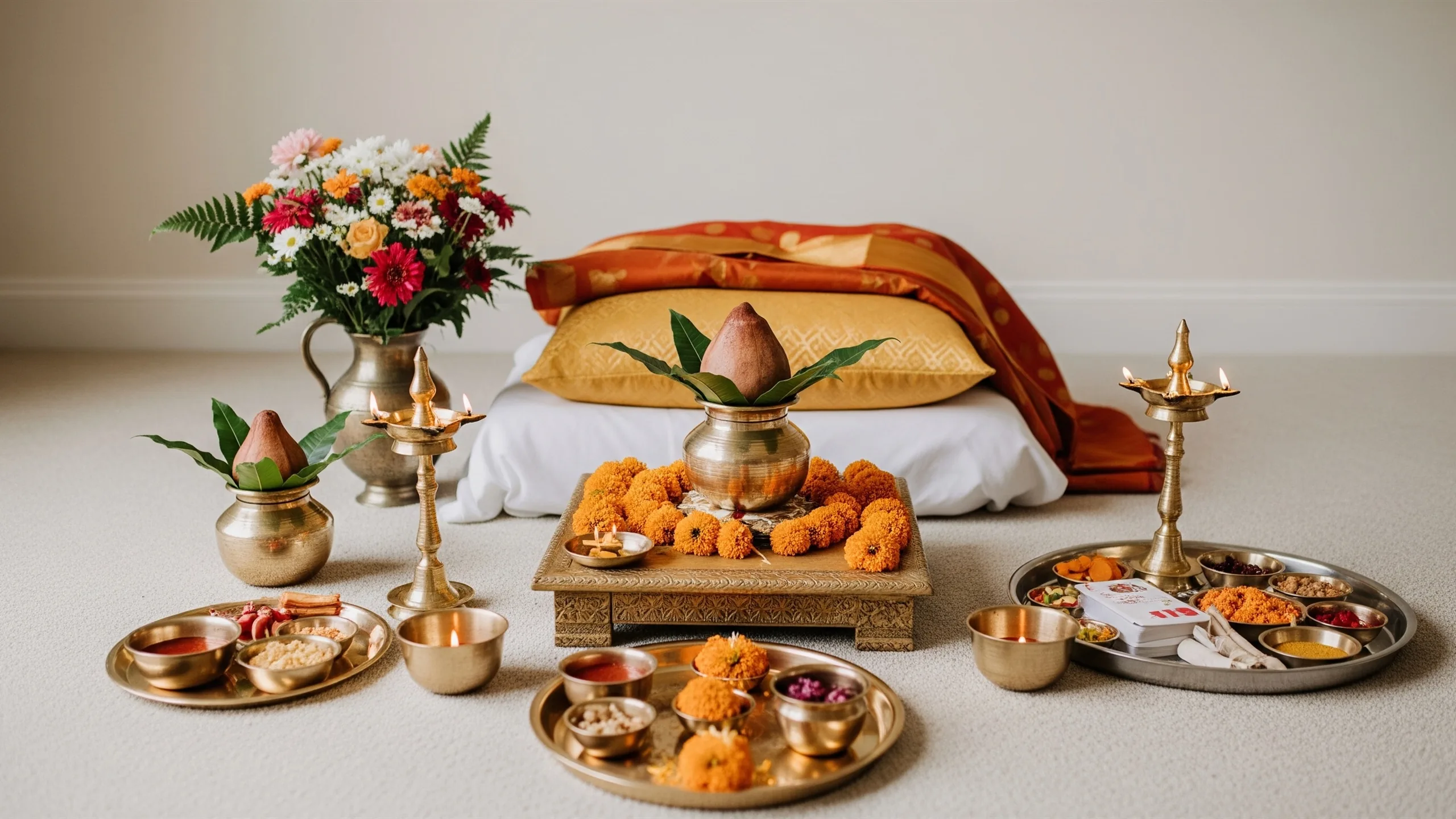
Book your pandit as soon as the muhurat is fixed — the good ones are reserved months ahead for peak dates. Vet on three things: that he conducts your specific community's rituals, that he will explain the ceremony so guests can follow, and total cost clarity (dakshina plus the samagri list and who buys it). Confirm language, expected duration, and exactly what you need to arrange. Get the agreement, however informal, in writing.
The decisions that matter most
- 01
Book as soon as the date is fixed — skilled pandits go early for popular muhurats.
- 02
Confirm he performs your specific community's rituals, not a generic version.
- 03
A pandit who explains the ceremony transforms the experience for every guest.
- 04
Agree total cost up front — dakshina plus the samagri list and who arranges it.
- 05
Confirm language, duration and your responsibilities in writing, even informally.
Use the planning tool, adapt the framework to your family, and verify current prices or policies before committing.
Pandit selection scorecard
Score each pandit you speak to on what actually shapes the ceremony experience.
Use the same criteria for every option you shortlist.
Start the moment your date is fixed
A wedding pandit is a vendor like any other in one respect: the best are booked early. As soon as your muhurat is confirmed, start your search — for popular dates in peak season, experienced priests are reserved many months ahead. Leaving it late often means settling for whoever is free, which is a poor way to choose the person who conducts the most important ceremony of the day.
*Tip — Ask recently married friends and family for referrals first. A pandit who did a relative's wedding well, in your tradition, is worth more than any listing.
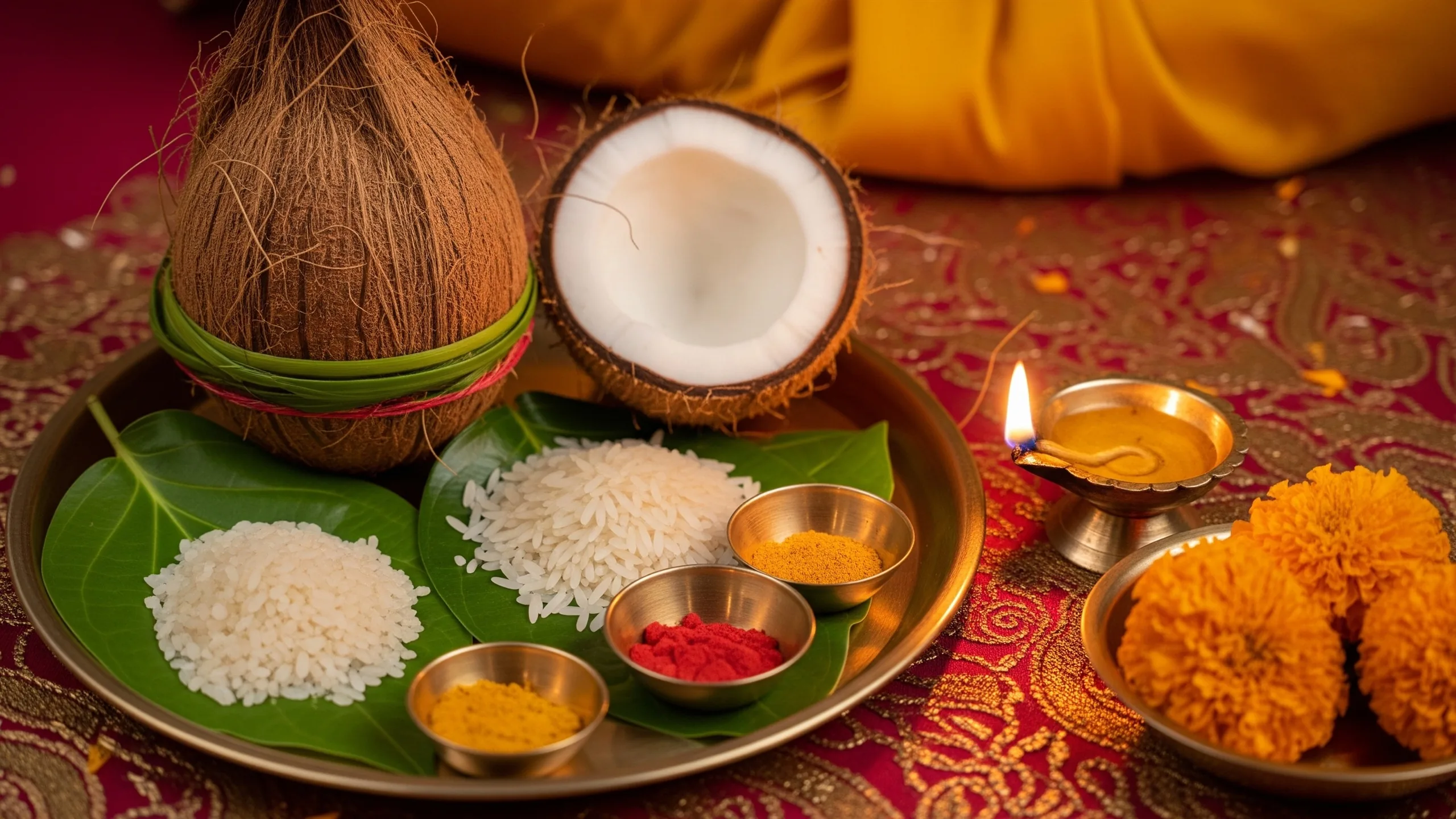
Where to find a wedding pandit
- Family referrals — the most trusted route; you get an honest account of how he conducts a ceremony.
- Your family temple or local mandir — often has priests who perform weddings or can recommend one.
- Your wedding planner or venue — most have vetted pandits they work with regularly.
- Verified online priest services — convenient, but vet them as carefully as any stranger; read reviews and speak before booking.
Vet for the right rituals
This is the single most important check. Hindu wedding rituals differ significantly across regions and communities — North Indian, South Indian, Marathi, Gujarati, Bengali and others each have distinct practices.
- Confirm he regularly performs weddings in your specific tradition, not a generic version.
- If your families come from two communities, discuss how both sets of customs will be honoured.
- Ask which rituals he includes and roughly how long each takes, so nothing is a surprise on the day.
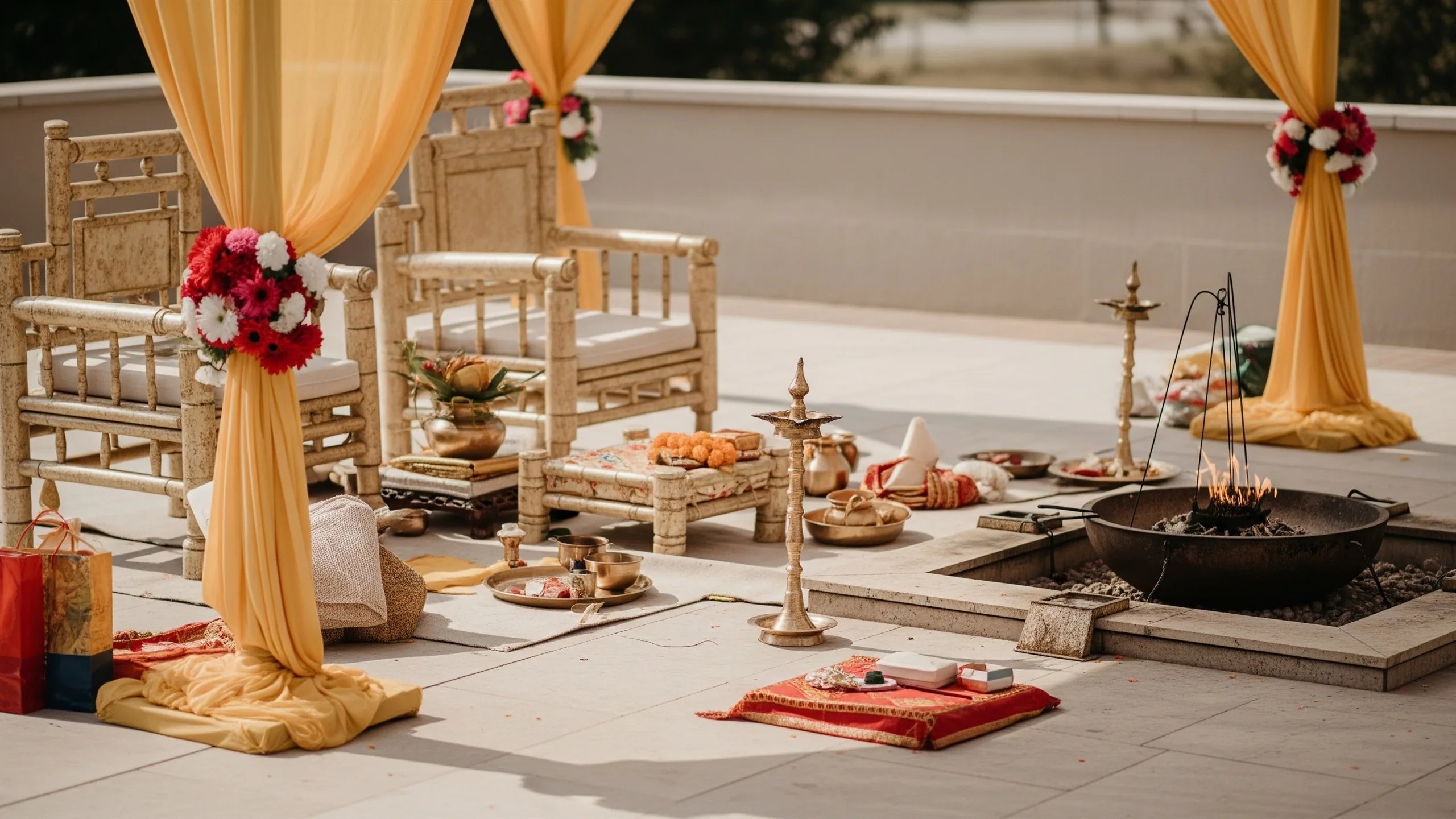
The cost conversation — dakshina and samagri
Money is where misunderstandings happen, so settle it plainly and early.
| Cost element | What to clarify |
|---|---|
| Dakshina (the priest's fee) | The amount, and whether it covers the full ceremony |
| Samagri (ritual materials) | The full list, and whether you or he arranges it |
| Assistants | Whether he brings help, and any added cost |
| Travel / outstation | Travel, stay and timing if the venue is far |
!"Dakshina is as you wish" sounds gracious but causes awkwardness later. Politely ask for a clear expected amount and what it includes, so both sides are comfortable.
Questions that prevent surprises
Ask these before you confirm:
- Will you explain the rituals in a language guests understand, as the ceremony goes?
- How long will the ceremony take, and can it fit our muhurat and timeline?
- What samagri do we need to provide, and can you share an exact list?
- Will you visit or call before the day to align on customs and sequence?
- What do you need at the venue — havan setup, seating, specific items, a particular direction for the mandap?
A pandit who explains changes everything
The difference between guests checking their phones and guests leaning in is a priest who narrates the meaning of each step. Especially at weddings with friends from other communities, interfaith families, or international guests, a pandit who pauses to explain the pheras, the kanyadaan and the saptapadi turns spectators into participants. When you interview, ask directly whether he does this — it is one of the most underrated qualities in a wedding priest.
Coordinate the ceremony cleanly
Once booked, treat the pandit as a key part of your run-of-show.
- Share the muhurat and the exact lagna time in writing, and confirm it against his understanding.
- Brief your families on what to arrange and where to sit, so the ceremony does not stall.
- Align the photographer and pandit so photos never interrupt a ritual.
- Confirm the samagri is bought and at the venue the day before — not a wedding-morning scramble.
- Give him your coordinator's number so questions on the day do not reach the couple.
FAQ
When should I book a pandit for my wedding?
As soon as your muhurat is fixed. Experienced pandits are booked months in advance for popular dates in peak wedding season, so an early start gives you a real choice rather than whoever happens to be free.
How much does a wedding pandit cost in India?
The cost has two parts: dakshina (the priest's fee) and samagri (the ritual materials). Both vary widely by region, the pandit's experience and the rituals involved, so the right move is to agree the dakshina amount and clarify who buys the samagri up front, in clear terms.
What should I ask a pandit before booking?
Confirm he performs your specific community's rituals, whether he explains the ceremony so guests can follow, the total cost including the samagri list, the expected duration, the language he will use, and exactly what you need to arrange at the venue. Get the key points in writing.
Why does it matter if the pandit explains the rituals?
A priest who narrates the meaning of each step keeps guests engaged and helps friends from other communities, interfaith families and international guests follow along. It turns the ceremony from something guests watch into something they understand and feel part of.
One schedule the pandit and guests both trust
The ceremony has the tightest timing of the whole wedding — the lagna window is fixed, and everyone from the pandit to the photographer to the elders needs to be in the right place at the right minute. Conflicting WhatsApp messages are how a muhurat gets missed.
A wedding website gives everyone one authoritative schedule. Publish the ceremony time, sequence and venue, and the pandit, the families and the guests all work from the same source — so the most time-sensitive part of the day runs on time.
- Show the exact ceremony time and sequence in one place.
- Add short ritual explainers so guests follow the pandit.
- Keep venue, maps and timing aligned for every vendor and family.
Scope, assumptions and editorial standard
Fee structures, ritual practices and coordination norms here are general editorial guidance and vary widely by region, community and individual priest. This guide is not a religious authority. Confirm rituals, costs and responsibilities directly with your pandit and family elders before booking.
Make every detail feel considered.
Keep the ceremony schedule everyone needs — pandit included — on one shared link.
& Vihaan 12 · 13 · 14 December