
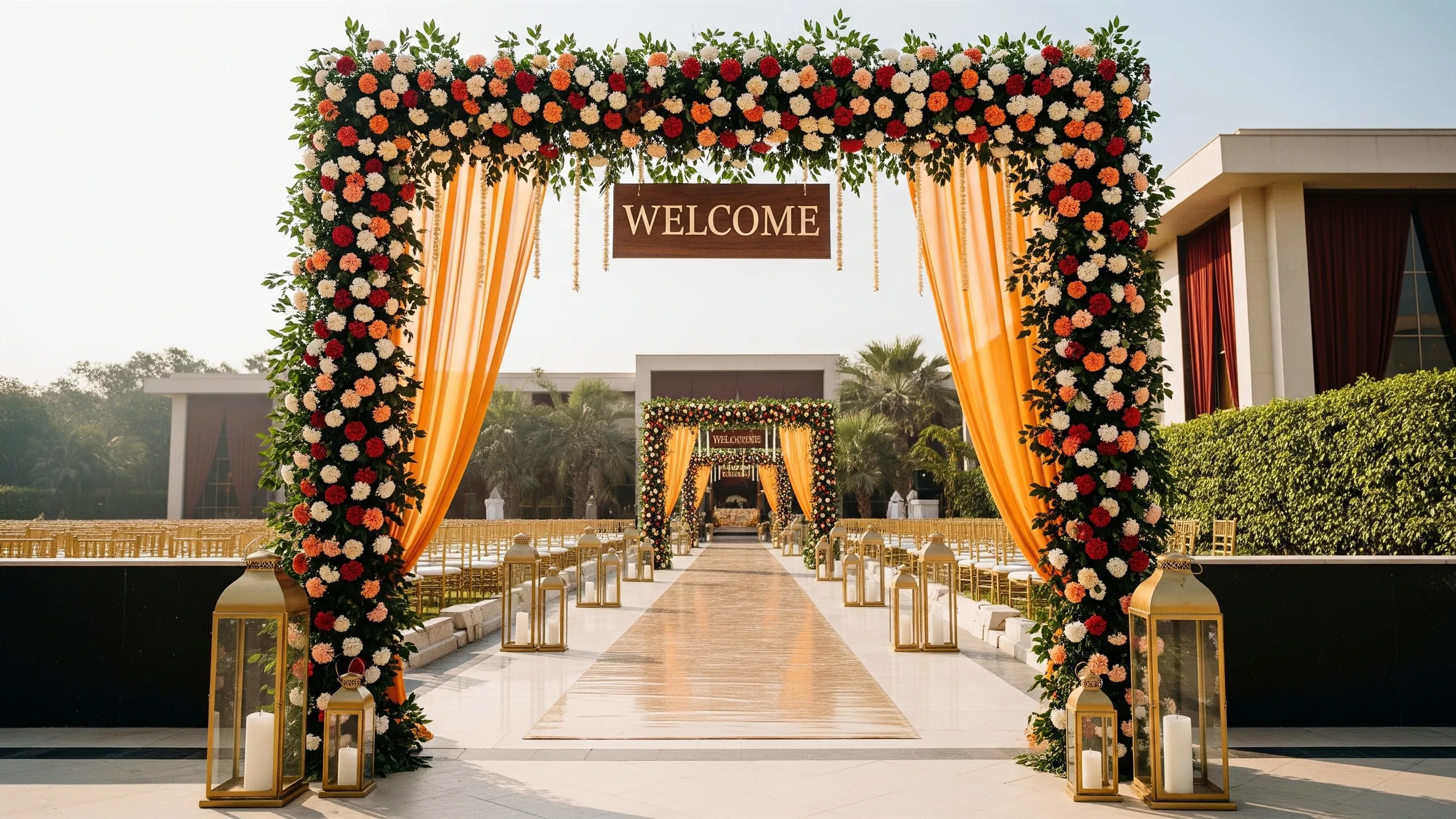
The classic 3-day Indian wedding runs: Day 1 — haldi (morning) + mehndi (afternoon into evening); Day 2 — sangeet/cocktail night; Day 3 — wedding ceremony + reception (or reception on a Day 4 / later date). Build 2–3 hour buffers around the ceremony for hair, makeup, and photos, and publish the full itinerary on your wedding website so 300 people stop asking your mother.
The decisions that matter most
- 01
Build the itinerary backward from fixed ceremony or muhurat times.
- 02
Separate guest-facing times from vendor call times.
- 03
Protect meal windows and travel buffers; they control the mood of the entire weekend.
Use the planning tool, adapt the framework to your family, and verify current prices or policies before committing.
Three-day itinerary board
Haldi
Family lunch
Mehndi
Guest arrivals
Sangeet
Dinner
Getting ready
Ceremony
Reception
The template (adapt times to your muhurat)
Day 1 — The fun rituals
- 0110:00 Haldi (family + close friends, wear yellow, expect stains)
- 0213:00 Family lunch
- 0316:00 Mehndi begins (bride's design started by 14:00)
- 0419:00 Dholki/music night, dinner
Day 2 — The party
- 01Daytime free / guest arrivals / choreography rehearsal
- 0219:00 Sangeet-cocktail: entries, performances, DJ, dinner
- 0323:30 Wrap (protect the wedding-day energy)
Day 3 — The wedding
- 0108:00 Bride's makeup begins (yes, really, for an evening wedding it's 14:00 — work back 4–5 hours from baraat)
- 0216:00 Groom ready, baraat assembles
- 0317:30 Baraat + milni
- 0418:30 Jaimala / varmala
- 0519:30 Dinner opens for guests
- 0621:00 Pheras (or per muhurat — sometimes late night)
- 0723:30 Vidaai
Muslim weddings: swap Day 3 for Nikah (often daytime) + Walima (evening or next day). Sikh weddings: Anand Karaj is morning Day 3, reception that evening.
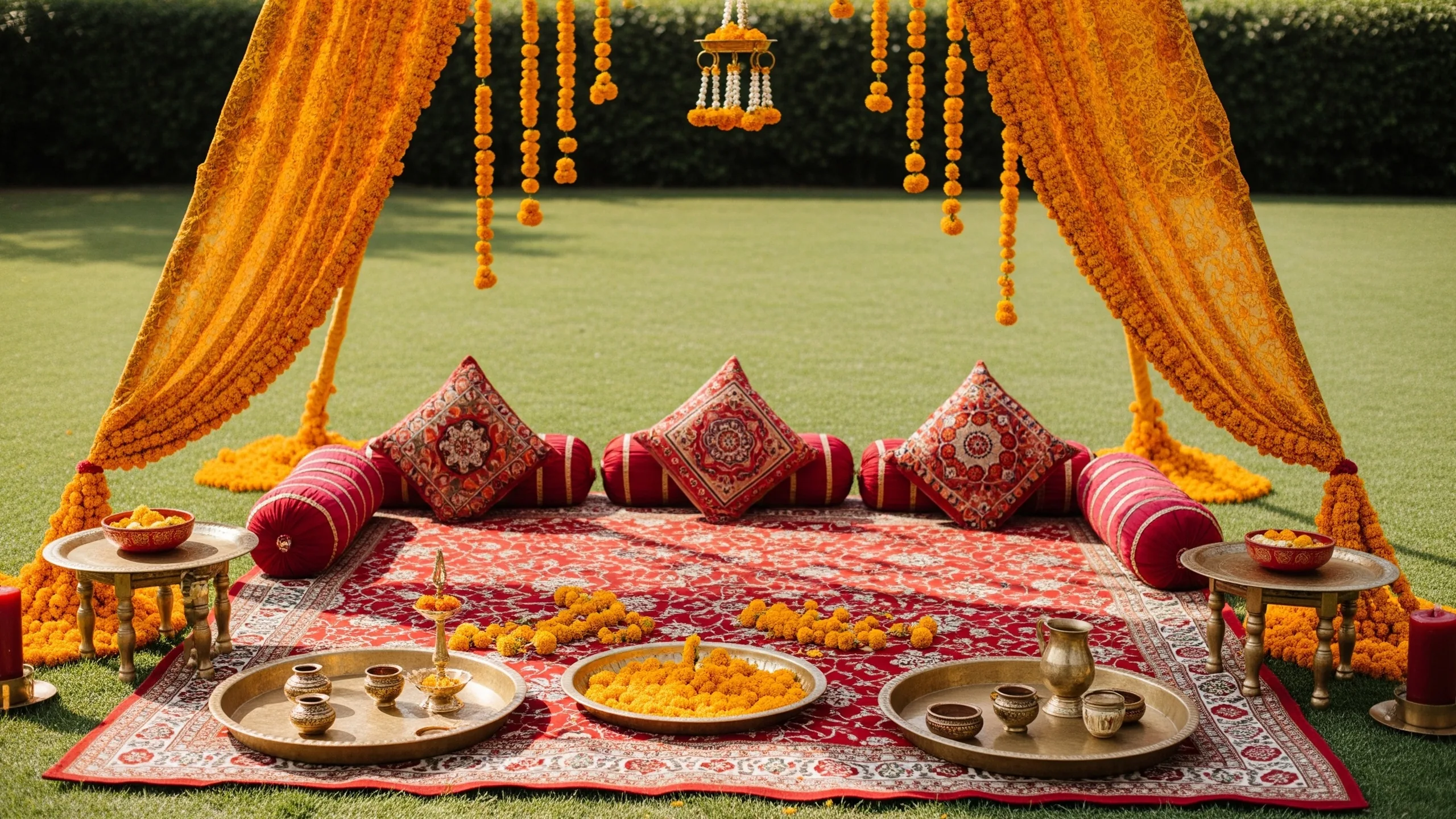
Keep the planning on track with our wedding day timeline for couples, sangeet planning guide, mehndi function checklist, and haldi ceremony guide.
Prefer to plan hands-on? Try our free wedding week command centre tool.
Buffer math nobody does
Makeup: 3–4 hours bridal. Couple portraits: 45–60 min of golden light before guests arrive. Baraat travel: double whatever Google Maps says. Every Indian wedding runs 60–90 minutes late; schedule the things that can't move (muhurat, venue cut-off) and pad everything else.
FAQ
How do guests know what to attend?
Per-event cards on your wedding website with timing, venue map, and dress code — and a note where attendance is limited ("haldi: family only").
Should the reception be the same day?
Same-day works if the ceremony is morning/afternoon. Evening pheras + same-night reception exhausts everyone; consider day 4 or the next weekend.
Who keeps the day on time?
Appoint one timeline owner per side (a cousin with a printed schedule and vendor numbers). Not the couple. Never the couple.
Create a guest schedule and an operations schedule
Guests need arrival time, start time, venue, dress code, transport and meal expectations. Vendors need loading time, setup completion, soundcheck, portrait windows, ceremony cues and payment contacts.
Publishing the operations schedule to guests creates noise; hiding guest information inside a vendor spreadsheet creates confusion. Maintain both from the same master timeline.
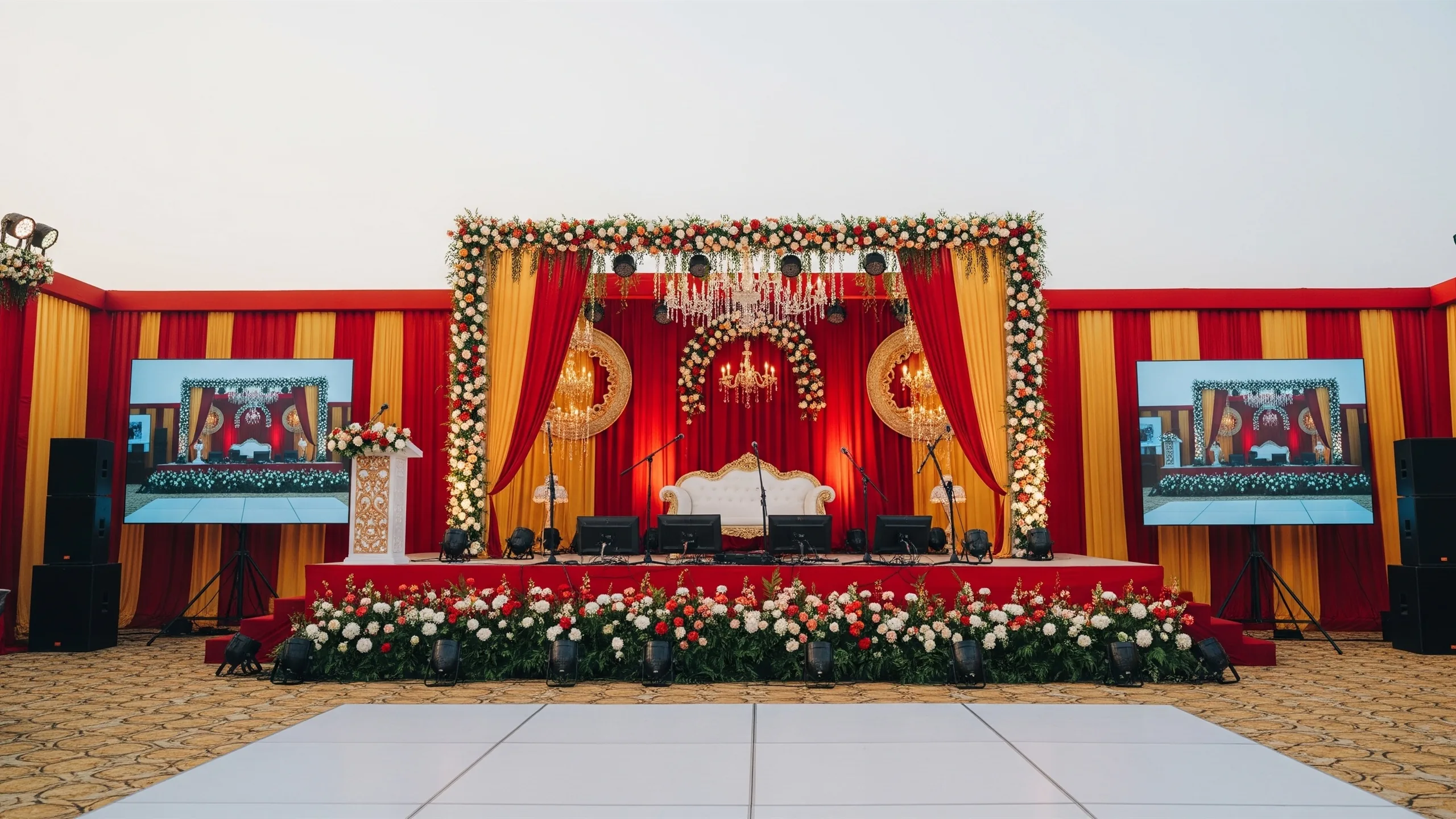
Place buffers where delay is expensive
Add extra time before fixed ceremonies, sunset portraits, venue cut-offs and guest transport departures. Use smaller buffers before flexible moments such as open dancing.
A buffer is not empty time. Fill it with welcome drinks, snacks, live music or a comfortable lounge so guests experience it as hospitality rather than delay.
Scope, assumptions and editorial standard
The sample times are illustrative. Religious timings, local travel, season and venue rules must override the template.
Make every detail feel considered.
Invitation, RSVP, gallery and dashboard included. Fully hosted and shareable on WhatsApp.
& Vihaan 12 · 13 · 14 December