
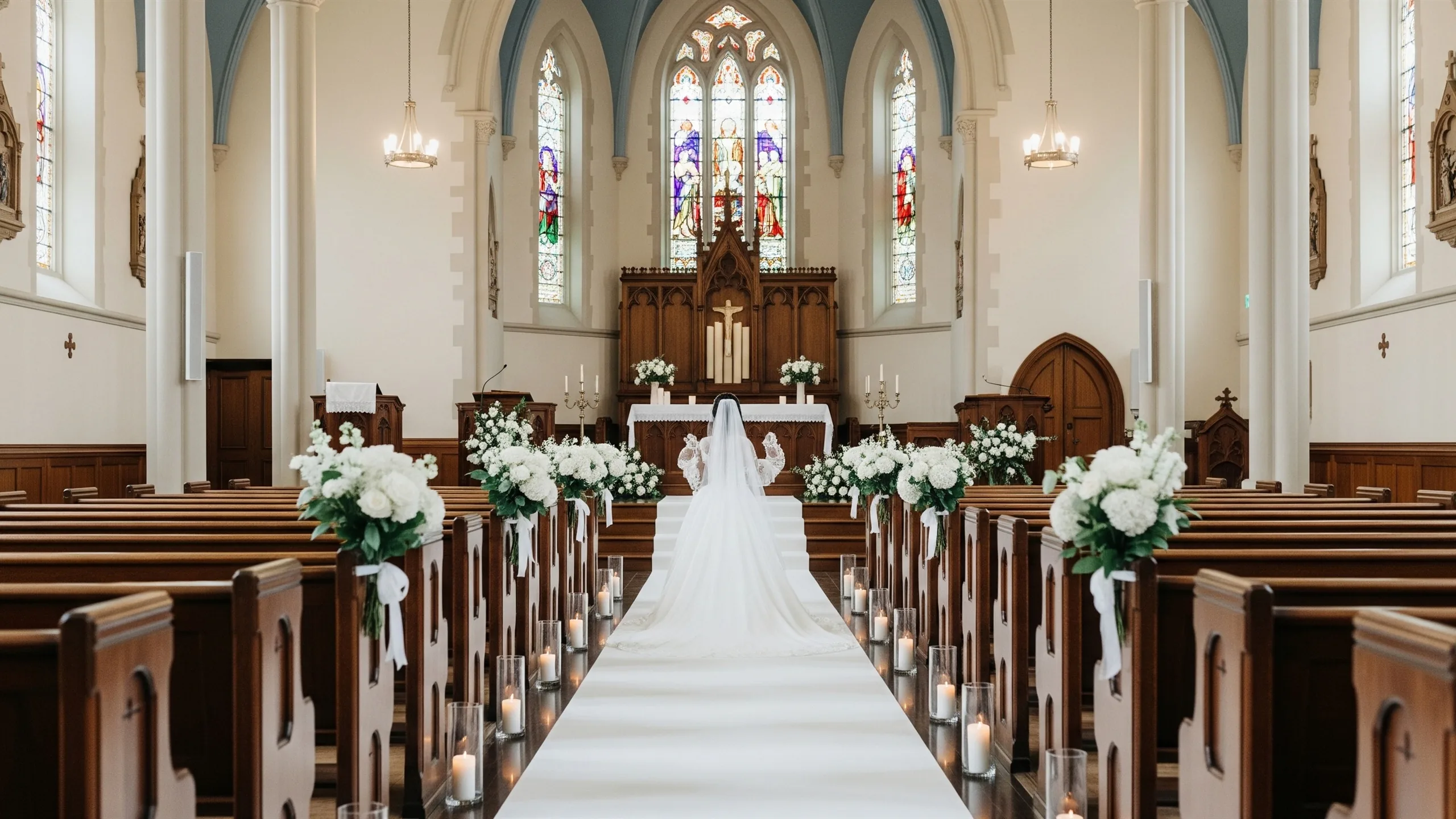
An Indian Christian wedding website typically needs three to four event sections — the roce or haldi-style pre-wedding ritual (in Mangalorean/Goan/Keralite traditions), the church ceremony, and the reception — along with church etiquette notes for guests of other faiths and clear dress guidance. ShaadiPath's Christian templates let you publish a site in about 10 minutes.
The decisions that matter most
- 01
Represent regional pre-wedding traditions instead of using a generic Western template.
- 02
Publish church arrival and photography guidance clearly.
- 03
Explain the transition from ceremony to reception, especially when venues differ.
Use the planning tool, adapt the framework to your family, and verify current prices or policies before committing.
Christian wedding website section planner
Roce or regional pre-wedding rite
Timing · venue · map · dress code · RSVP · short explainer
Church ceremony
Timing · venue · map · dress code · RSVP · short explainer
Portrait interval
Timing · venue · map · dress code · RSVP · short explainer
Reception
Timing · venue · map · dress code · RSVP · short explainer
Indian Christian weddings are not "Western weddings"
Goan, Mangalorean, Keralite (Syrian Christian), Tamil, and Northeast Indian Christian weddings each blend church liturgy with deeply Indian pre-wedding traditions. Your website should reflect that — generic Western templates miss the roce, the sado, the madhuram veppu, and the multi-day structure entirely.

Build a wedding website guests will love with our fusion and interfaith wedding website guide and NRI wedding website guide.
Events to include (pick what applies to your tradition)
| Event | Tradition | What it is |
|---|---|---|
| Roce | Goan / Mangalorean | Coconut milk anointing of the bride/groom the evening before — songs (voviyo), laughter, and getting gloriously messy |
| Madhuram Veppu / Betrothal | Kerala Syrian Christian | Engagement blessing, often in church |
| Haldi-style ritual / Bridal shower | Various | Family celebration before the wedding |
| Church ceremony | All | Nuptial Mass or wedding service — vows, rings, blessing |
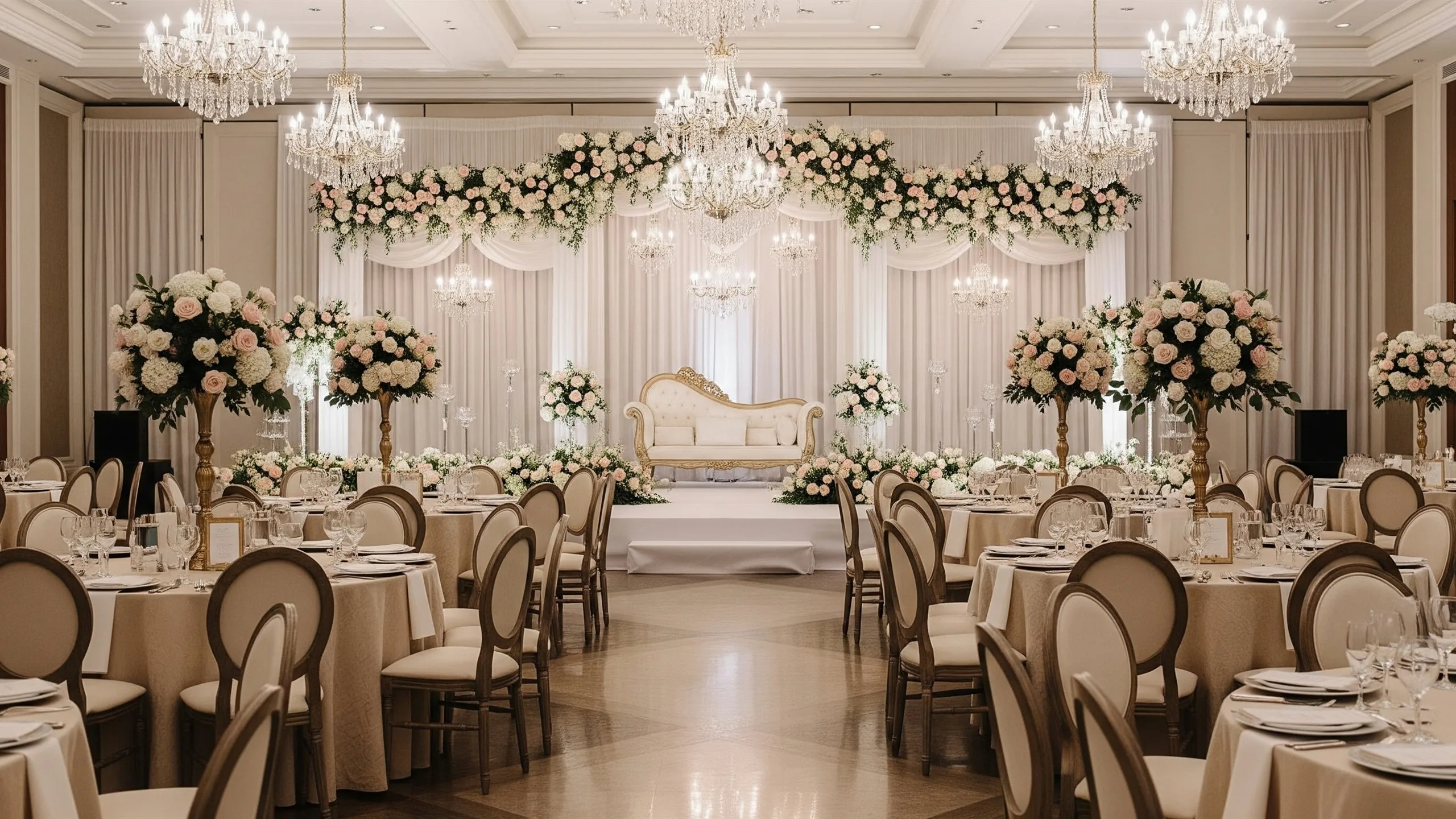
| Reception | All | Dinner, toasts, first dance, and in Goan tradition, the legendary live band |
Church etiquette notes for guests (worth stating)
- A Catholic Nuptial Mass runs 60–90 minutes; a non-Mass service is shorter (30–45 minutes)
- Guests of all faiths are welcome; non-Catholics simply remain seated during Communion
- Dress is modest formal — shoulders covered inside the church is appreciated
- Arrive before the bride; nobody enters during the processional
- Phones silent; check with the couple before photographing the ceremony
Ritual explainers to include (adapt freely)
- Exchange of vows and rings: "The couple declare their commitment before God and the congregation, exchanging rings as a sign of unending love."
- The unity candle / lighting of lamps: "Two flames — one for each family — light a single candle, symbolizing two lives becoming one. Some Indian couples use a traditional brass lamp (nilavilakku) instead, a beautiful fusion touch."
- Sado & corteo (Goan): "The bride changes into the red sado saree gifted by the groom's family, and the corteo procession escorts the couple to the reception."
- Minnu (Kerala Syrian Christian): "The groom ties the minnu — a gold pendant shaped like a leaf with a cross — around the bride's neck, the Syrian Christian equivalent of the mangalsutra."
Website sections that matter
- Schedule with maps (church and reception are usually different venues)
- Church etiquette block (above)
- Dress codes — many Indian Christian receptions are gowns-and-suits, others are saree-forward; tell people
- Travel/stay for outstation guests
- RSVP with meal preference (useful where plated dinners are served)
- Your story + wedding party introductions
FAQ
Do we need a website if we're printing church-style invitation cards?
The card invites; the website informs. Maps, timings, RSVP, dress code, and hotel blocks don't fit on a card.
Can we include Bible verses on the site?
Yes — 1 Corinthians 13:4–7 ("Love is patient, love is kind...") and Ecclesiastes 4:9 are the most chosen. A verse in the header sets the tone beautifully.
How do we explain the Mass to non-Christian guests?
A 3–4 sentence explainer ("The ceremony is a Catholic Nuptial Mass — there will be readings, hymns, vows, and Communion; non-Catholic guests are warmly welcome and simply remain seated during Communion") covers everything.
When should the site go live?
6–8 weeks before the wedding, with the link shared on WhatsApp alongside or before physical cards.
Name the regional customs that make the wedding yours
Goan, Mangalorean, Keralite, Tamil and Northeast Indian Christian weddings may include very different events and clothing. Use the family's real names and explanations rather than forcing every celebration into bridal shower, ceremony and reception.
A one-line explainer helps guests participate without flattening the tradition into a novelty.
Publish the rules guests should not discover at the door
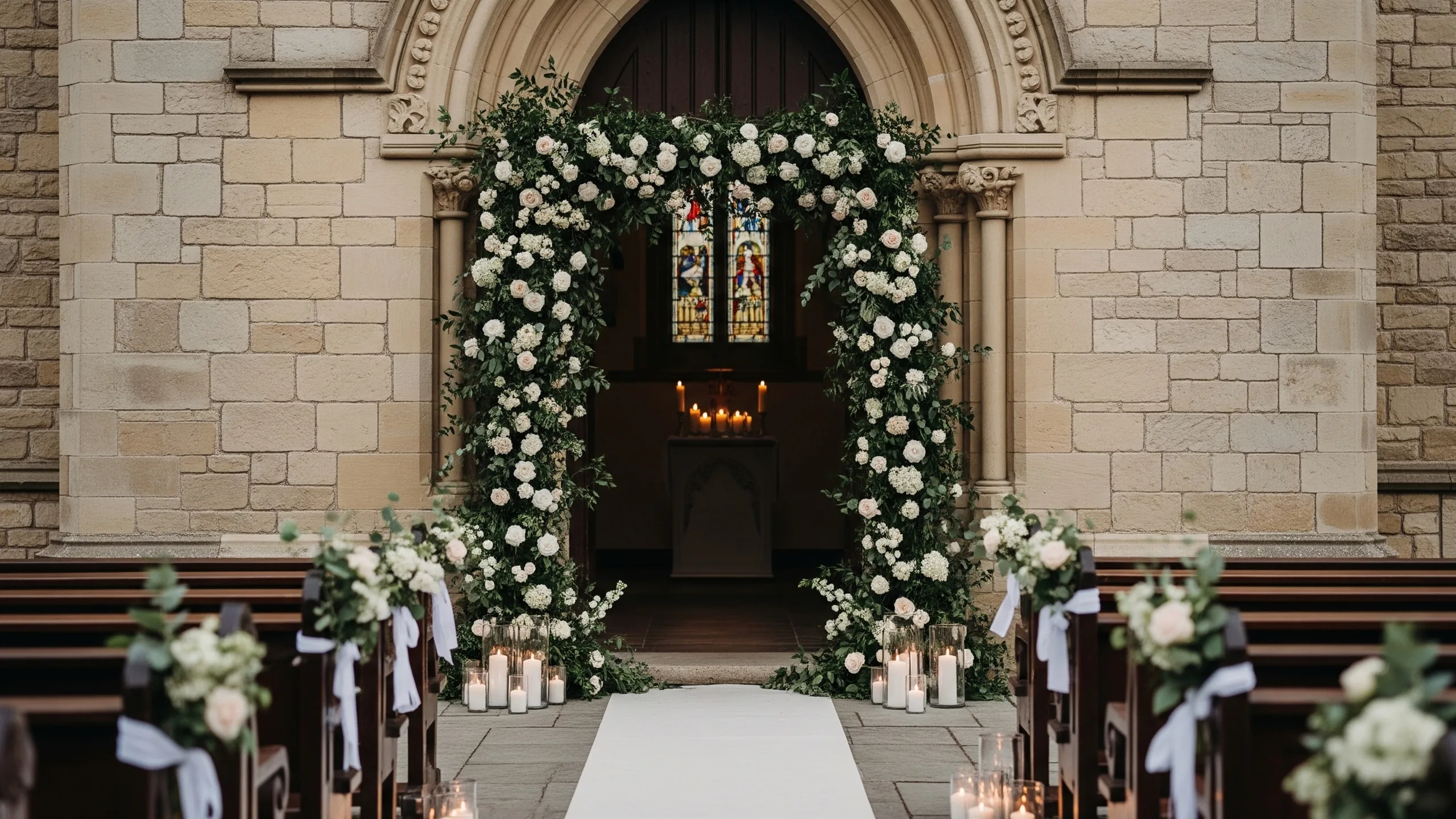
State arrival time, parking, dress expectations and whether photography is restricted. If Communion practices or seating are relevant to visitors, ask the parish what is appropriate to communicate.
When the reception is elsewhere, show transfer time and whether transport is arranged. The gap between venues is part of the itinerary, not blank space.
Scope, assumptions and editorial standard
This guide focuses on guest-information architecture, not religious authority. Confirm ceremony language, etiquette and ritual order with your officiant and families before publishing.
Make every detail feel considered.
Invitation, RSVP, gallery and dashboard included. Fully hosted and shareable on WhatsApp.
& Vihaan 12 · 13 · 14 December