
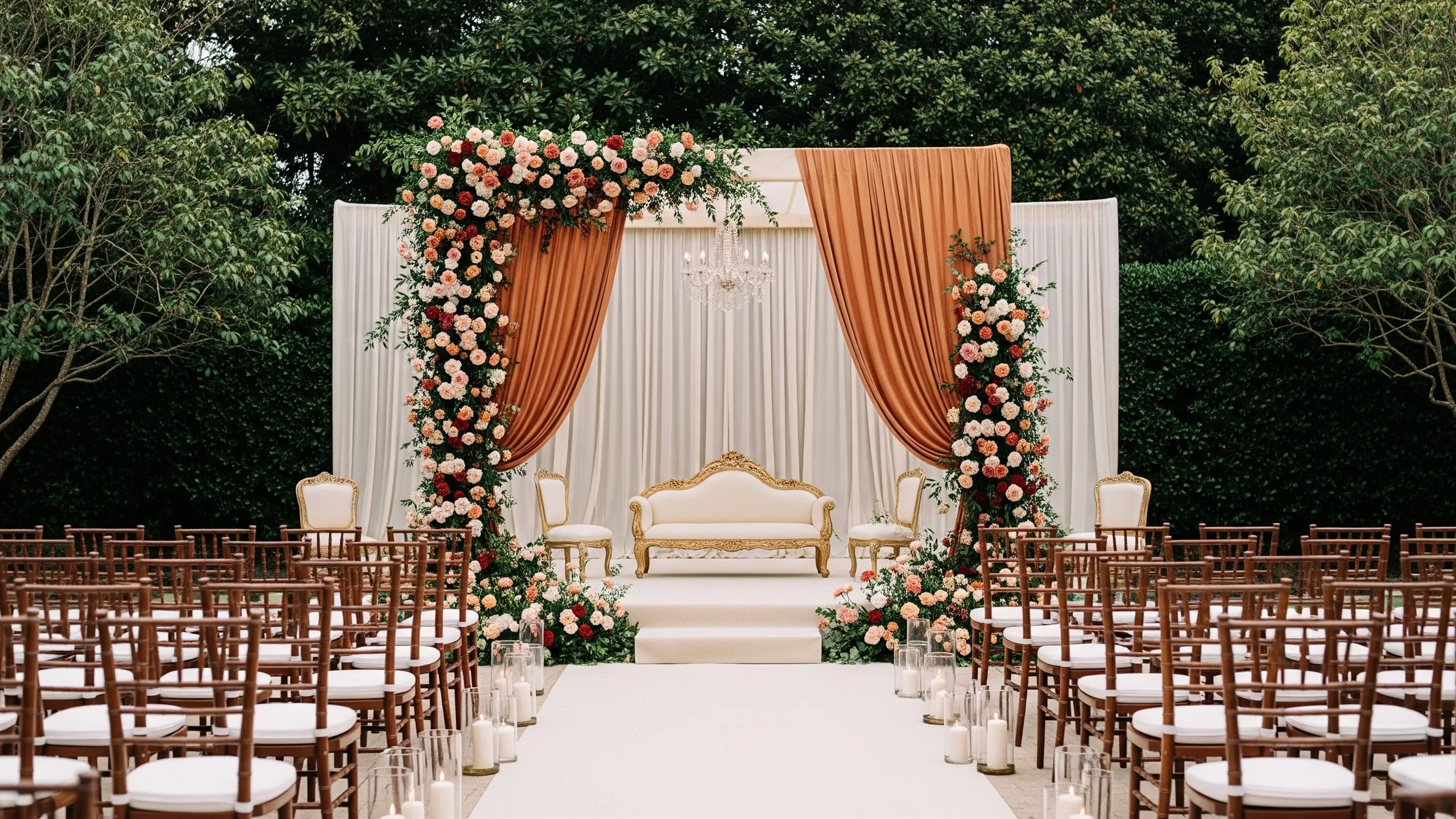
A fusion or interfaith wedding website works best when it treats both traditions as co-equal: a schedule that clearly labels which ceremony belongs to which tradition, side-by-side ritual explainers written for the other family's guests, and dress guidance per event. This is the one wedding type where a website isn't optional — it's the only way two sets of guests walk in knowing what to expect. ShaadiPath's fusion templates support multi-tradition event schedules.
The decisions that matter most
- 01
Give both traditions equal visual and editorial weight.
- 02
Write each explainer for guests from the other side.
- 03
Label practical differences without ranking one ceremony above another.
Use the planning tool, adapt the framework to your family, and verify current prices or policies before committing.
Two-tradition content balance check
Why interfaith weddings need a website more than anyone
When a Hindu-Christian, Hindu-Muslim, Sikh-Hindu, or Indian–non-Indian couple marries, half the guest list is attending an unfamiliar ceremony. Without context, guests feel like spectators. With two paragraphs of explanation, they feel like participants. Your website is where that happens.
Build a wedding website guests will love with our Christian wedding website guide and NRI wedding website guide.
Structuring the schedule
Label every event with its tradition so guests can orient instantly:
| Example event card | Label |
|---|---|
| Mehndi Night | Shared celebration — everyone welcome |
| Anand Karaj | Sikh ceremony — gurdwara etiquette below |
| Church Blessing | Christian ceremony |
| Pheras | Hindu ceremony — explainer below |
| Reception | The merger party 🎉 |
Three common formats — state yours clearly:
- Two full ceremonies (e.g., Anand Karaj in the morning, church service in the evening, or on different days)
- One blended ceremony combining elements of both, often with two officiants
- One religious + one civil/symbolic ceremony
Writing explainers for "the other side"
The trick: write each tradition's explainer for the family that doesn't know it. Examples:
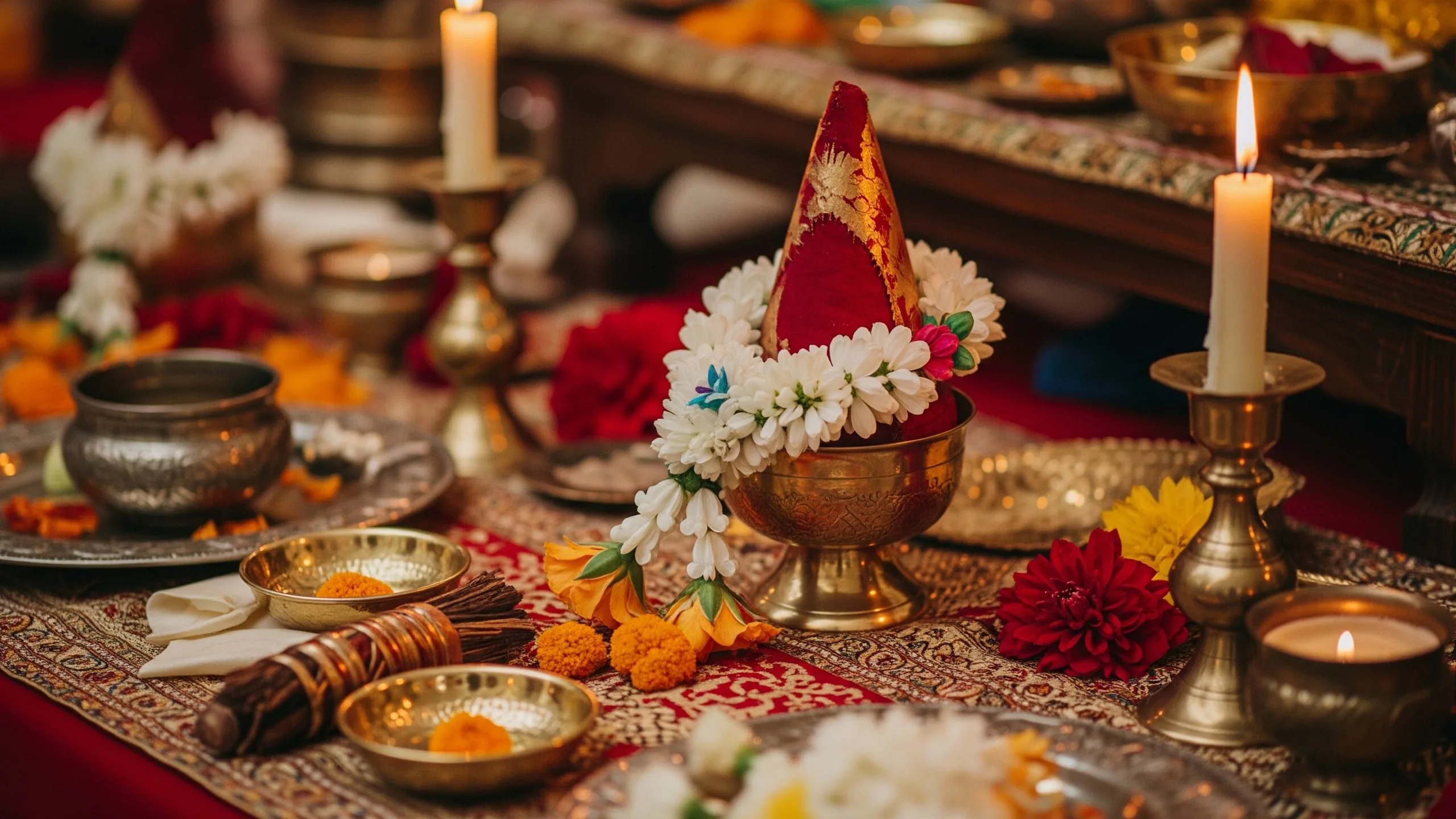
- For the non-Hindu side: "The pheras are seven circles around a sacred fire, each one a vow — after the seventh, we're married. The ceremony runs about two hours; coming and going quietly is completely normal at Hindu weddings."
- For the non-Christian side: "The church service lasts about 45 minutes. Guests sit through readings and vows — there's no participation required, and dress is formal with shoulders covered."
- For everyone: "You'll see rituals from both our worlds today. Ask us anything — we love explaining them."
Practical sections that defuse 90% of awkwardness
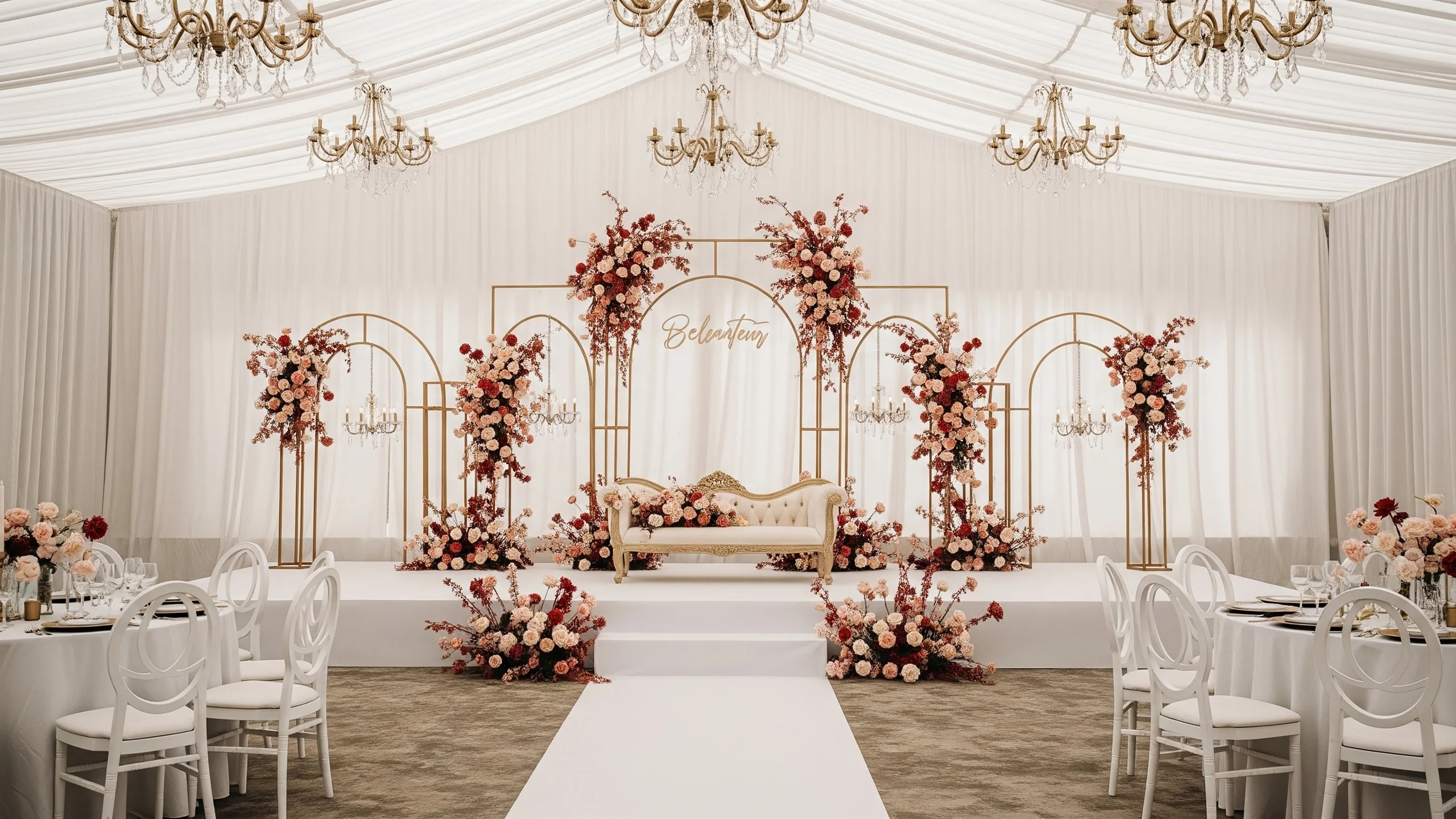
- Dress code per event, with photos. "Lehengas/sarees/kurtas for the pheras (rentals linked below for guests who don't own Indian wear); cocktail attire for the reception." Linking Indian-wear rental services for non-Indian guests is the single most appreciated touch.
- Food notes. Halal/veg/non-veg clarity matters enormously across communities; say what's served at each event.
- Alcohol clarity. "Dry event" vs "open bar" per event prevents surprises (e.g., no alcohol at the gurdwara or mosque-adjacent events; bar at the reception).
- Etiquette quick-hits. Head coverings, shoes off, floor seating, separate seating — whatever applies, two lines each.
- A note from the couple about what this blending means to you. It sets the emotional frame and preempts the relatives' questions.
Handling sensitive dynamics gracefully
Some interfaith couples face family friction. The website can quietly help: keep the tone celebratory and matter-of-fact, present both traditions with equal weight and equal explainer length, and avoid language that frames either ceremony as the "real" one. Equal billing on the website often models the tone you want the families to adopt.
FAQ
We're having two ceremonies on different days — one website or two?
One. Two websites split your guest list's attention and double your update work. Use clearly labeled event sections.
How do we explain why we're having two ceremonies?
One warm line: "We're honoring both our families' traditions — we'd love for you to experience both." That's all anyone needs.
What if one side's guests can't attend the other ceremony?
Note attendance expectations per event card. Many interfaith couples mark one ceremony "immediate family" and make the reception the all-guest event.
Can we include both religious symbols/verses on one site?
Yes — fusion templates are designed for it. Pairing a verse from each tradition in the header is a popular, elegant choice.
Where do we start?
Pick a fusion template on ShaadiPath, add your events with tradition labels, paste in explainers, publish.
Use parallel structure to signal equal respect
If one ceremony receives a detailed explanation and the other receives one vague line, the imbalance is visible even when it is unintentional. Give each event the same information architecture and similar depth.
Ask one informed person from each tradition to review terminology, names and assumptions before publishing.
Share what helps guests, not private negotiations
The website can explain sequence, meaning, dress and participation without discussing family disagreements or defending the couple's choices. Hospitality is the goal.
Where attendance is limited for a particular rite, state the invitation scope clearly and warmly on the relevant event card.
Scope, assumptions and editorial standard
This guide focuses on guest-information architecture, not religious authority. Confirm ceremony language, etiquette and ritual order with your officiant and families before publishing.
Make every detail feel considered.
Invitation, RSVP, gallery and dashboard included. Fully hosted and shareable on WhatsApp.
& Vihaan 12 · 13 · 14 December